
europe
Greece
Warm seas, long lunches and three thousand years of history within a ferry ride of each other. Greece rewards the traveller who skips August, picks islands with care and lets the days stretch out.

Why go
Few countries pack so much into so little distance. In a fortnight you can walk through a Bronze Age palace on Crete, drink Assyrtiko from 200-year-old vines on Santorini, swim in water so clear the boats seem to float above the seabed off Milos and still have time for a long, slow lunch every day. The food is honest and seasonal, the hospitality is real, and outside the peak weeks the islands feel unhurried and generous.
Read next
Which Greek island is right for you?
We have compared the six best islands for food, wine, history, swimming and peace and quiet, and scored them side by side.
Read the comparisonRegions at a glance
Athens and the mainland hold the Acropolis, Delphi and the monasteries of Meteora. The Cyclades, including Santorini, Mykonos, Naxos and Milos, are the classic white-and-blue islands, dry, bright and windy in high summer. Crete is a world of its own, big enough for mountains, gorges and a fortnight of exploring. The Dodecanese, led by Rhodes, sit close to Turkey and wear their medieval history proudly. The Ionian islands, such as Corfu, are greener and softer, with a Venetian accent.
When to go
May, June and September are the sweet spot: warm sea, long days and far fewer people than in July and August, when European school holidays fill the ferries and prices peak. Late September and October bring the warmest water of the year and golden light. April is lovely for walking and wildflowers, though the sea is still cool. Crete and Rhodes stay mild enough for a winter stay; most smaller Cycladic islands go very quiet from November to March.
Getting there
Direct flights from the UK reach Athens year-round and, in season, Crete (Heraklion and Chania), Rhodes, Santorini, Mykonos, Corfu and Kos, in roughly three and a half to four hours. Islands without international airports, such as Naxos and Milos, are reached by a short domestic flight from Athens or by ferry from Piraeus. Greece is in the Schengen area: the EU Entry/Exit System now records non-EU arrivals, and the ETIAS travel authorisation is expected to follow; check the latest rules before you book.
Getting around
Ferries are the joy of Greek travel: fast catamarans link the Cyclades in an hour or two, and slower conventional ferries are cheaper and steadier in a strong meltemi wind. Book summer sailings ahead and leave a spare day before an international flight in case of cancellations. On the bigger islands a hire car opens up the villages and beaches; on the smaller ones, buses, taxis and boat trips are enough.
Where to stay
Choose by island rather than by hotel. Cave suites on Santorini's caldera, village guesthouses on Naxos, Venetian townhouses in Chania and medieval mansions inside the walls of Rhodes all offer something you cannot find anywhere else. For longer stays, a base on one island with day trips beats a new hotel every two nights.


Where to stay
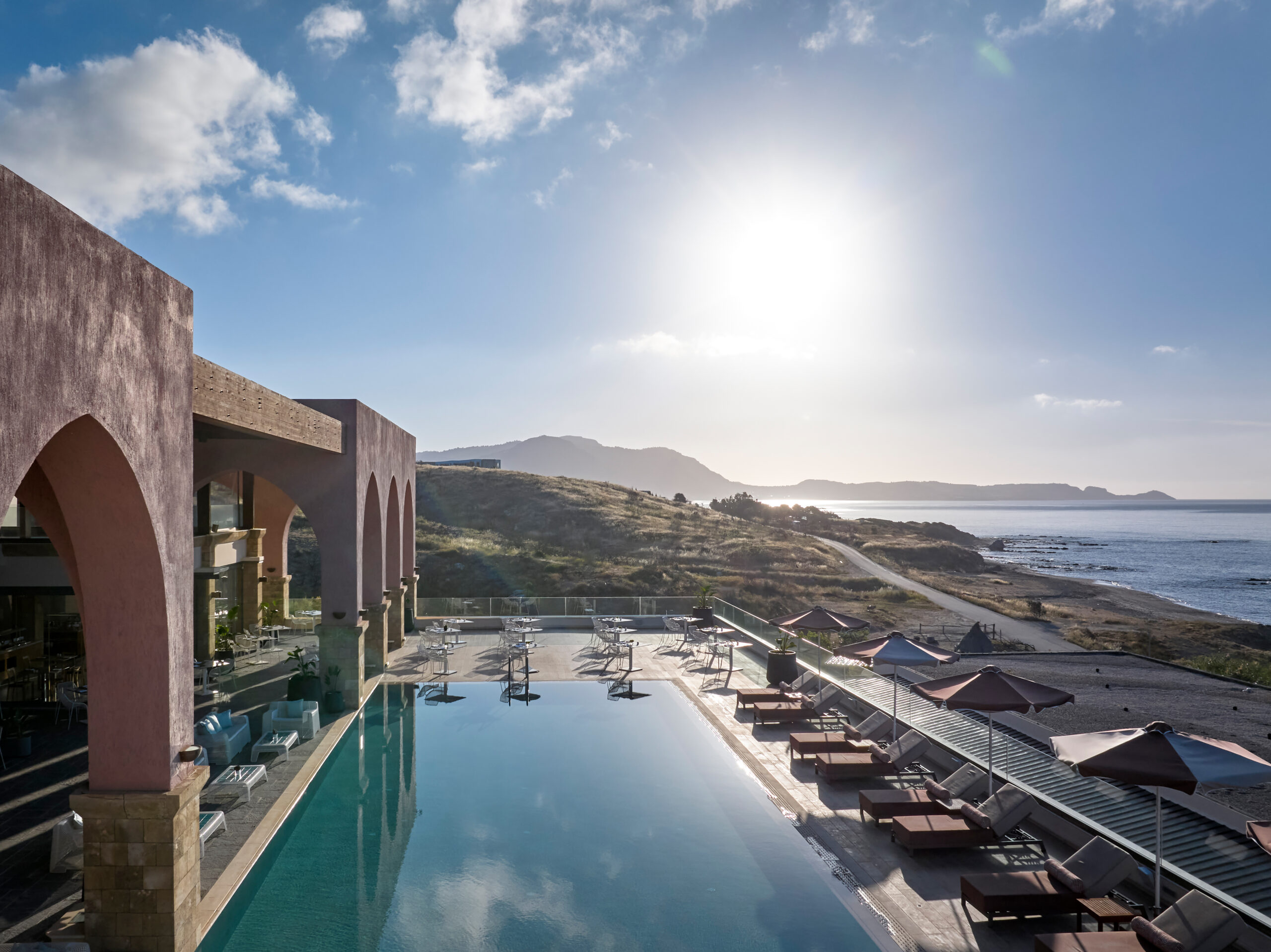
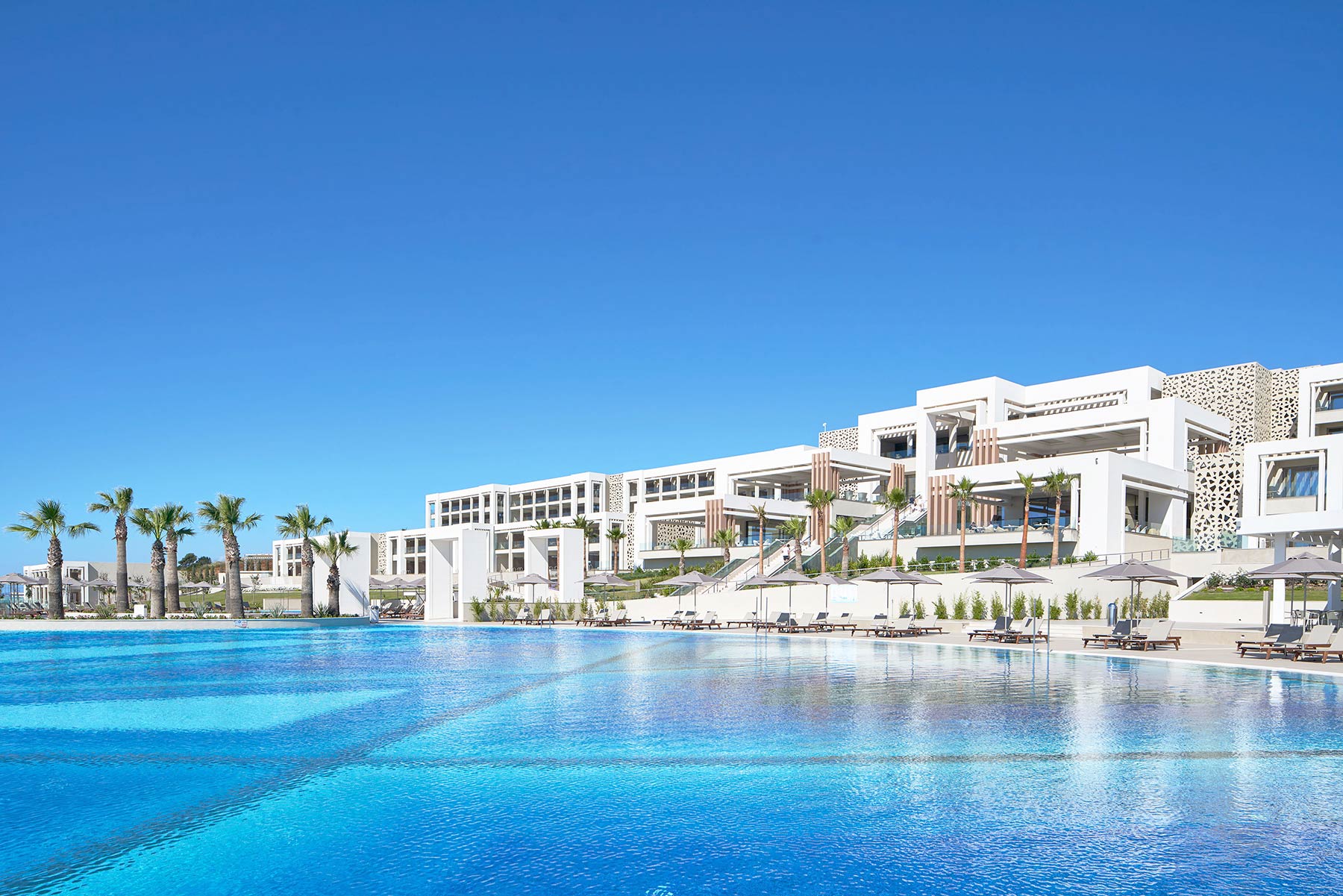
Hotels we rate in Greece
Speak to a specialist
Plan it with someone who has been

Scott Dunn
Tailor-made luxury travel, designed around you
- Tailor-made worldwide
- Safari
- Japan and Asia
See profile →

Original Travel
Tailor-made holidays with imagination
- Tailor-made worldwide
- Italy and Europe
- Japan and Asia
See profile →

Kuoni
Long-haul holidays, tours and multi-centres
- Maldives
- Africa safari and beach
- Sri Lanka and Asia
See profile →
Questions
Which Greek island is best for a first visit?
Crete, for its variety of history, food, beaches and mountains, or Naxos for a classic Cycladic island with fewer crowds. Our island comparison goes into detail.
When is the sea warmest in Greece?
Late August to early October, when the water has had all summer to warm up. September combines warm water with fewer crowds.
Do UK travellers need a visa for Greece?
No visa for short stays. Non-EU travellers are now registered by the EU Entry/Exit System at the border, and the ETIAS travel authorisation is expected to follow; check the latest guidance before travel.
Is there a tourist tax in Greece?
Yes. A nightly Climate Resilience Fee is charged per room by your accommodation, and cruise passengers pay a per-visit fee, highest on Santorini and Mykonos.
Related destinations
Keep exploring


The Sunday Postcard
One considered email each week: a trip, a hotel and a route worth your time.