
PORT GUIDE
Zeebrugge to Bruges: cruise port guide and what to do
Zeebrugge is a container port; Bruges, 17km inland, is one of Europe's best-preserved medieval cities. The good news is that the journey between them is easy, and once you arrive the whole of the old centre is walkable.
Destination Traveller editors · 6 min read · 20 November 2026
- West Flanders
- Belgium
The short answer
Take the shuttle, walk the centre and keep it simple. Climb the Belfry in the Markt, see Michelangelo's Madonna in the Church of Our Lady, take a canal boat from one of the jetties near the Rozenhoedkaai, then sit down to mussels and a Belgian beer before the shuttle back.
Where ships dock
Ships berth in the working port of Zeebrugge. A free port shuttle takes passengers from the quayside to the terminal gate, where the onward shuttles, taxis and the coast tram are found.
Getting to Bruges
Shuttle. The Cruise Express service runs every 30 minutes between about 8.30am and midday, taking around 20 minutes to the Bargeplein coach station on the edge of the old centre. Return departures in the afternoon are timed to the ship, with the last bus back an hour before all-aboard. Book ahead in busy months.
Train. Take the coast tram or a shuttle to Blankenberge, then a train to Bruges; the rail journey itself is about 15 minutes. Services are hourly at best, so check timetables both ways.
Taxi. Expensive for a short journey. Agree the fare before you set off.
A day in Bruges
The Markt and the Belfry. The main square is ringed by guild houses and dominated by the 83m Belfry. Its 366 steps are hard work; the view across the rooftops is the reward.
The Burg. Next door, a smaller square holds the Gothic town hall and the Basilica of the Holy Blood.
Church of Our Lady. Its brick tower is one of the tallest in Europe, and inside is Michelangelo's marble Madonna and Child, one of the few works by the sculptor to leave Italy in his lifetime.
The Groeningemuseum. A small museum with a superb collection of Flemish masters, including Jan van Eyck.
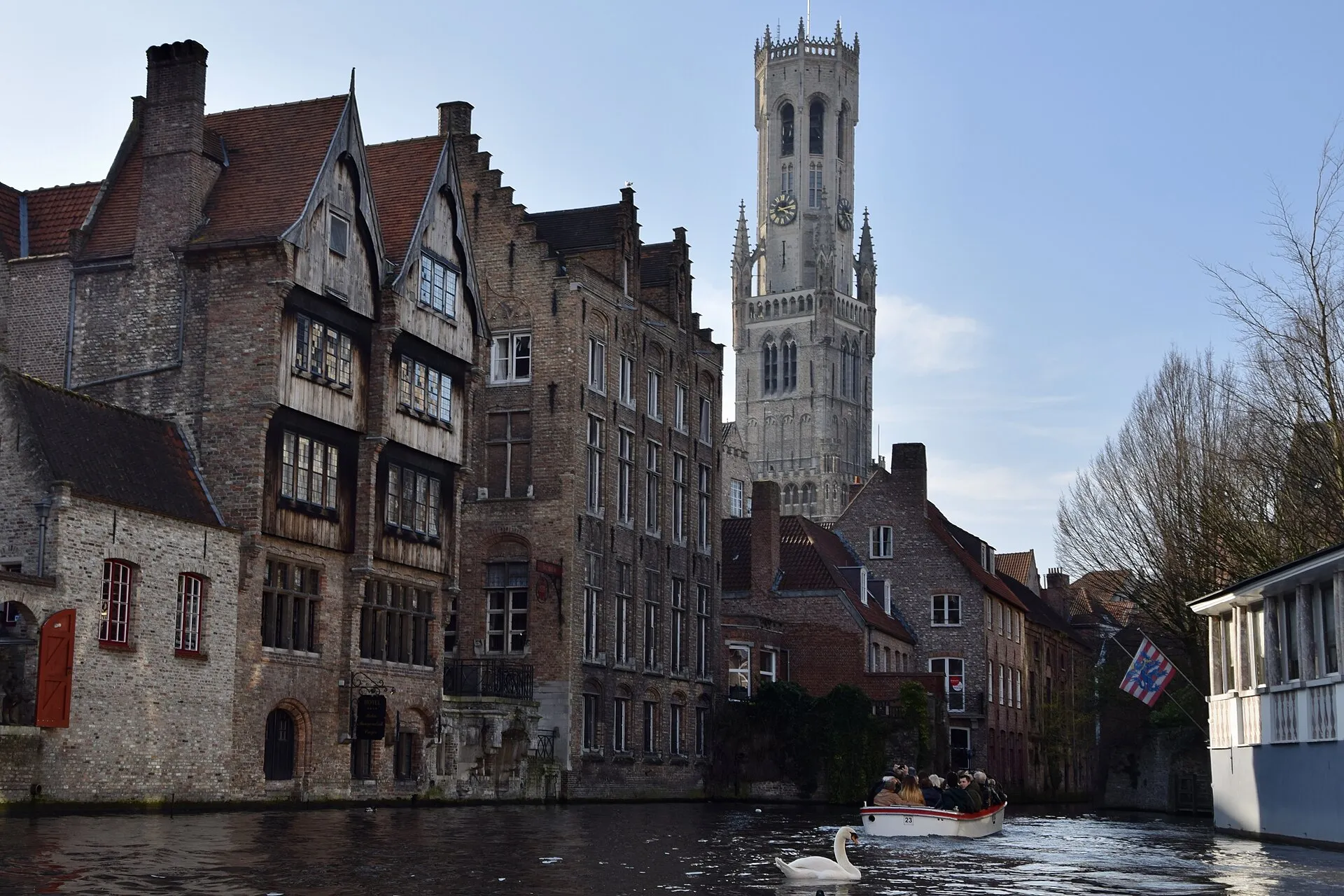
The canals. Half-hour boat trips leave from jetties in the centre and are the best way to see the city's gabled houses. The Rozenhoedkaai is the classic view; the Minnewater, the "lake of love", is quieter.
Eating and drinking
Bruges is a place to eat well and indulge. Mussels with frites, Flemish beef stew made with beer, waffles from a street stand and chocolate from the city's many chocolatiers are all expected. Try a Bruges beer such as Brugse Zot from the De Halve Maan brewery, which pipes beer under the streets to its bottling plant.
How to plan your day
Half a day. Shuttle into Bruges, walk from the coach station past the Minnewater and the Béguinage into the centre, see the Markt and the Burg, take a canal boat, and stop for waffles before the return shuttle.
A full day. Climb the Belfry first, before the queue grows, then visit the Church of Our Lady and the Groeningemuseum. After lunch, take a canal trip, visit a chocolatier or the De Halve Maan brewery for a tour and tasting, and walk out to the windmills on the city's eastern ramparts.
Ghent or Brussels instead. If you have seen Bruges, Ghent is around 25 minutes further by train and less crowded, with the Van Eyck brothers' Ghent Altarpiece in St Bavo's Cathedral. Brussels is an excursion of a full day; most lines run coach tours.
Shore excursions or independent?
Bruges is very easy to do on your own: the shuttle is simple and the old centre is compact. A guided walking tour adds stories and saves you from getting lost in the lanes. Ship's excursions are worth considering for Ghent or Brussels, or for First World War sites around Ypres in Flanders Fields, which are best visited with a guide.
More to see
The Béguinage. A peaceful enclosure of white houses around a garden of trees, founded in the 13th century for lay religious women and now home to Benedictine nuns. Daffodils carpet the lawn in spring.
The Basilica of the Holy Blood. In the Burg, a Romanesque lower chapel and a Gothic upper chapel holding a relic said to contain a drop of Christ's blood.
St John's Hospital. One of Europe's oldest surviving hospital buildings, now a museum with paintings by Hans Memling.
The windmills. On the grassy ramparts on the eastern edge of the city, a short walk from the centre, several mills survive; one is often open to visitors.
Lace and chocolate. Bruges is famous for both. The Lace Centre demonstrates traditional lacemaking; Choco-Story explains the history of chocolate with tastings at the end.
Where to stay before or after a cruise
Zeebrugge is mostly a port of call, but some cruises start or end there. Bruges is the obvious base, with hotels in historic houses on canals and squares; the seaside resort of Blankenberge, next to the port, is more practical for an early embarkation. Brussels, an hour by train, has the most flights and Eurostar connections to London.
Practical tips
Money. Belgium uses the euro, and cards are almost universally accepted.
Bikes. Bruges is a cycling city. Look both ways before stepping into cycle lanes.
Accessibility. The centre is flat, but cobbles can be hard work for wheelchairs and walkers. Canal boats need you to step down into them, and the Belfry is accessible only by steep stairs.
Shopping. Buy chocolate from smaller chocolatiers rather than chain shops around the Markt, and check how long it will keep if you plan to take it home.
The catch
Bruges is small and very popular, and the Markt and canal jetties get crowded by late morning. Shops and restaurants in the centre are priced for visitors: walk a few streets away from the main squares for better value.
When to go
Spring and early autumn are mild and less busy. December brings Christmas markets and lights, and short, cold days.
Questions
How do I get from Zeebrugge cruise port to Bruges?
The simplest option is the Cruise Express shuttle, which leaves the port every 30 minutes in the morning and takes about 20 minutes to Bruges' Bargeplein coach station. Return times are matched to your ship's departure. Trains and taxis are alternatives.
Can you get the train from Zeebrugge to Bruges?
Yes, but connections are less frequent. Take the tram or a shuttle to Blankenberge station, then a train to Bruges of about 15 minutes; check times before you set off.
Is Bruges walkable?
Yes. The historic centre is compact and flat. From the coach and railway stations it is a 10 to 15-minute walk to the Markt.
How far is Zeebrugge from Bruges?
About 17km, or around 20 minutes by shuttle bus.
Can you visit Ghent from Zeebrugge?
Yes. Trains from Bruges to Ghent take around 25 minutes, and many cruise lines offer Ghent excursions.
What food is Bruges famous for?
Chocolate, waffles, mussels with frites, Flemish beef stew and Belgian beer.
Last updated 20 November 2026
Speak to a specialist
Plan it with someone who has been

Iglu Cruise
Ocean and river cruise deals from every major line
- Ocean cruises
- River cruises
- Luxury cruise lines
See profile →

Bolsover Cruise Club
Cruise specialists with extra value on every booking
- Ocean cruises
- Ex-UK sailings
- Fly-cruises
See profile →

Abercrombie & Kent
Luxury travel and small-group journeys since 1962
- Safari
- Small-group journeys
- Private tailor-made travel
See profile →
The Sunday Postcard
One considered email each week: a trip, a hotel and a route worth your time.