
asia
Sri Lanka
Ancient cities in the jungle, tea estates in the clouds, leopards on the rocks and a colonial fort by the sea, all within a few hours of each other. Sri Lanka is small, welcoming and endlessly varied, with some of the most beautiful small hotels in Asia.
Why we love it
Tea at a planter's bungalow as the mist rolls up the valley, after a morning watching leopards.
Why go
Few places offer so much variety in so little space. In a fortnight you can climb Sigiriya's rock fortress at dawn, watch wild elephants gather at Minneriya, ride the famous train through the tea country, look for leopards in Yala and walk the ramparts of Galle Fort at sunset. The food is a delight, the people are warm, and the hotels, from Geoffrey Bawa's modernist masterpieces to restored planters' bungalows, are full of character and excellent value.
Regions at a glance
The Cultural Triangle, in the dry north-central plains, holds Sigiriya, the cave temples of Dambulla and the ancient capitals of Anuradhapura and Polonnaruwa. Kandy is the island's cultural heart, home to the Temple of the Sacred Tooth Relic. The hill country around Nuwara Eliya, Haputale and Ella is cool and green, all tea estates and waterfalls. The south has Yala and Udawalawe national parks, then the beaches and colonial towns of the south coast, led by Galle. The east coast, around Trincomalee and Arugam Bay, is at its best in summer.
When to go
Sri Lanka has two monsoons, so there is always somewhere good to go. December to April is best for the west and south coasts, the hill country and the Cultural Triangle. From May to September the south-west monsoon brings rain to the west and south, while the east coast is dry and sunny. Yala usually closes for part of September and October.
Getting there
There are direct flights from London to Colombo in about eleven hours, and good one-stop connections via the Gulf. UK visitors need an Electronic Travel Authorisation, applied for online at the official site before travel; it has been free of charge since May 2026. Check the latest rules on GOV.UK before you go.
Getting around
Most visitors travel with a private driver-guide, which is affordable and makes the journey easy; drives are usually three or four hours between stops. The hill-country train between Kandy and Ella is a highlight, and seaplanes and helicopters can shorten longer journeys.
Where to stay
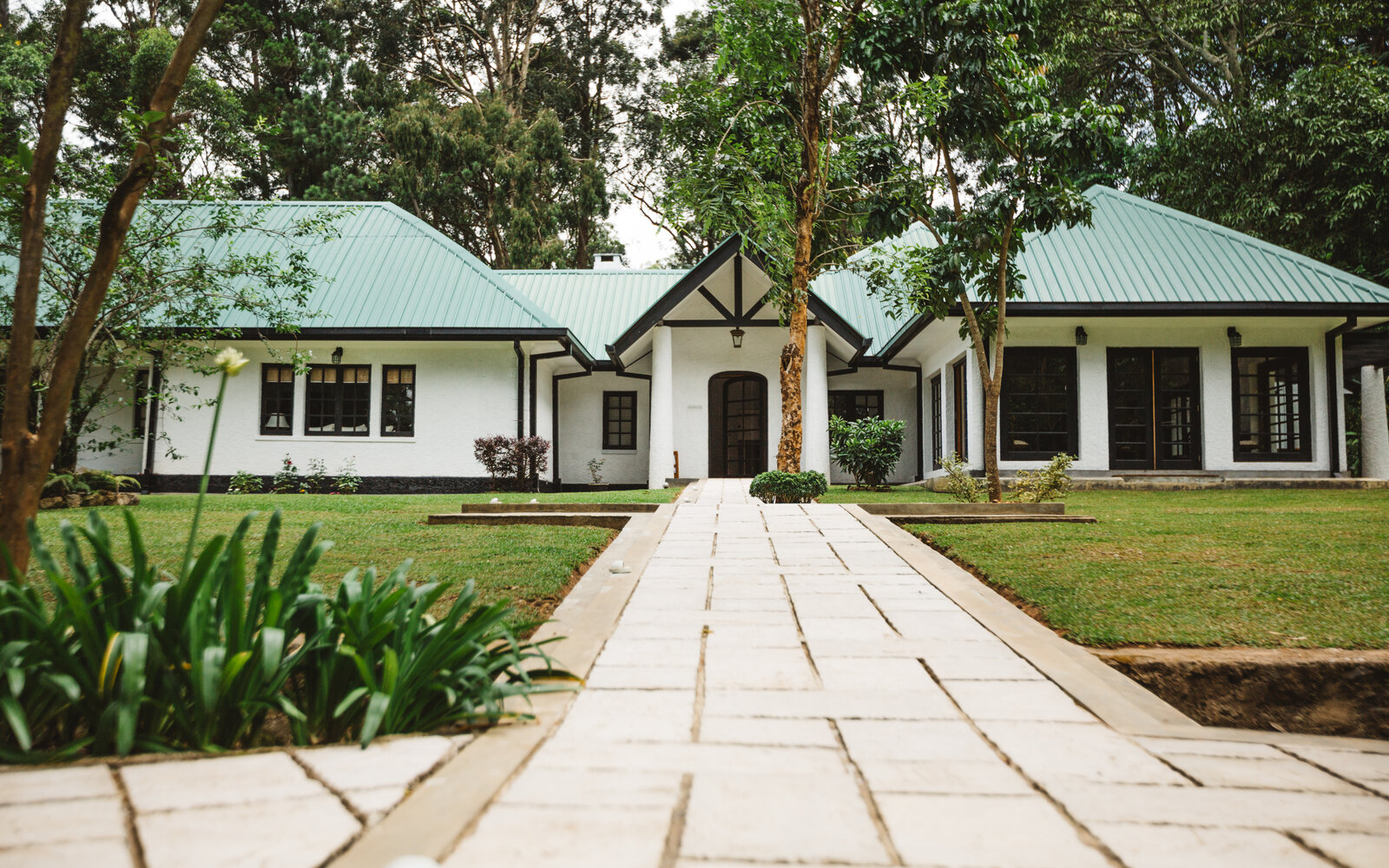
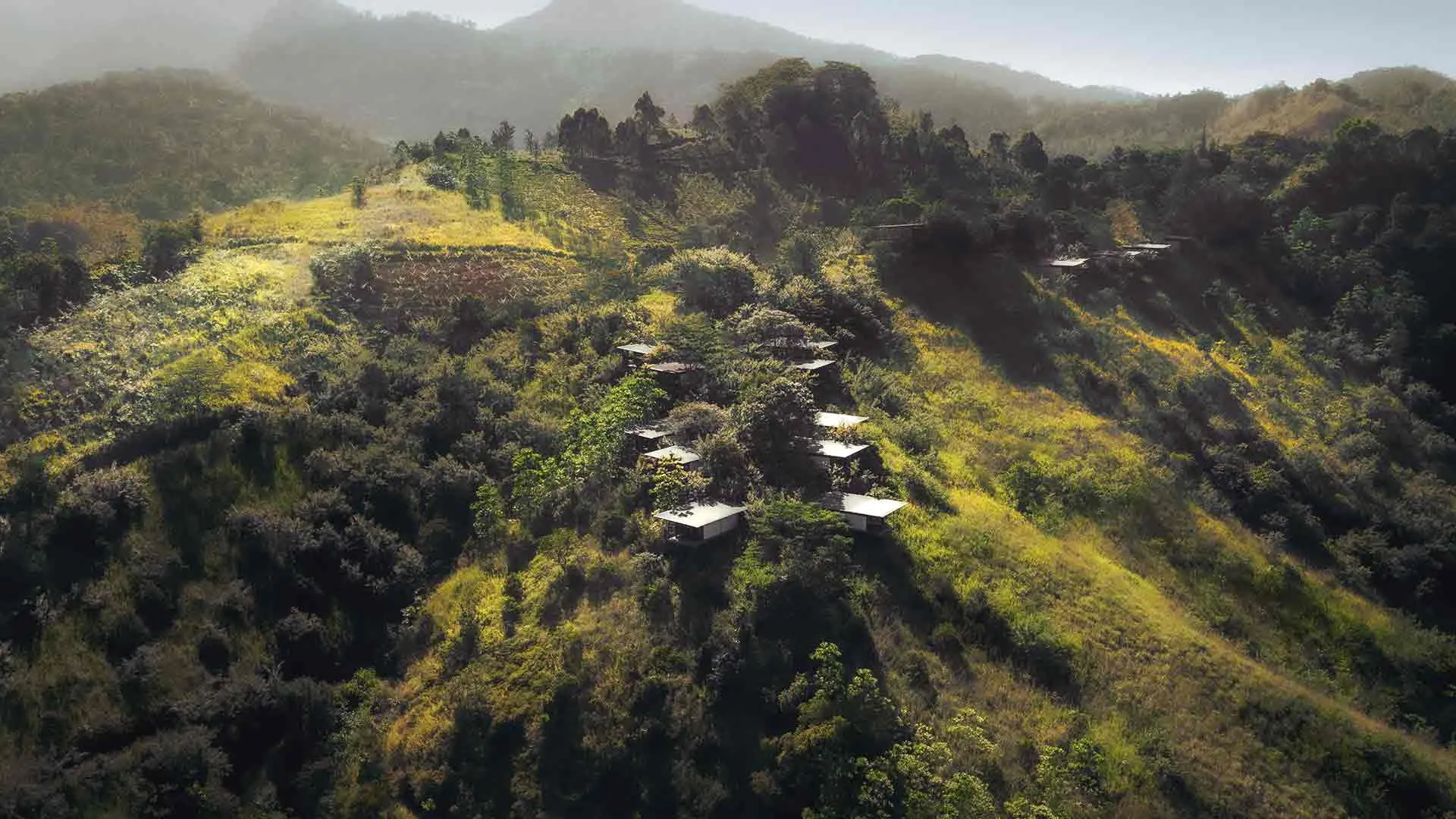
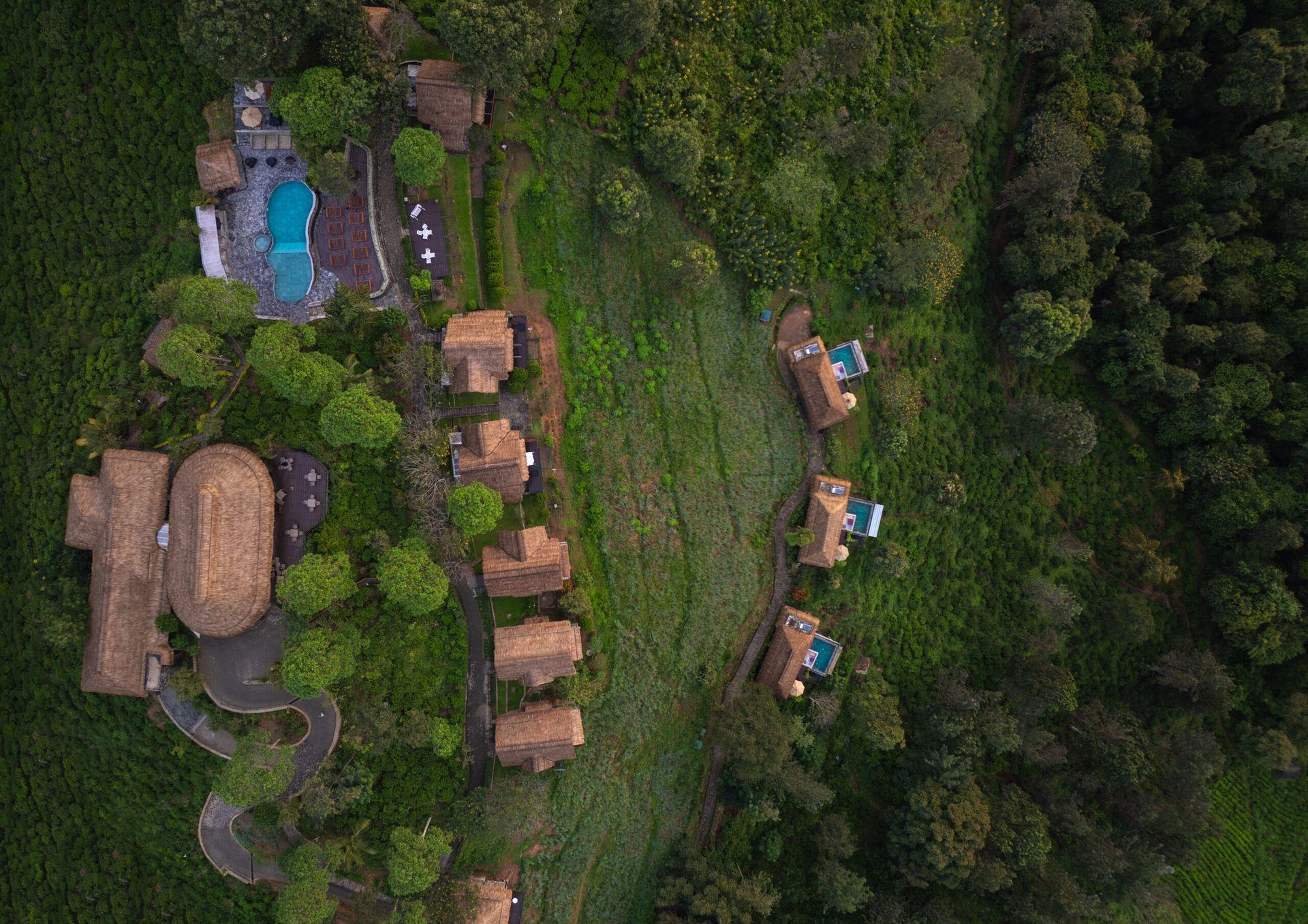
Sri Lanka's best hotels are small and personal: tea planters' bungalows with butlers, villas among paddy fields and boutique houses inside Galle Fort. Read our reviews of Thotalagala, Santani Wellness Resort & Spa and 98 Acres Resort.
Big trips
Sri Lanka itineraries

Where to stay
Our hotel reviews in Sri Lanka
Speak to a specialist
Plan it with someone who has been

Scott Dunn
Tailor-made luxury travel, designed around you
- Tailor-made worldwide
- Safari
- Japan and Asia
See profile →

Original Travel
Tailor-made holidays with imagination
- Tailor-made worldwide
- Italy and Europe
- Japan and Asia
See profile →

Kuoni
Long-haul holidays, tours and multi-centres
- Maldives
- Africa safari and beach
- Sri Lanka and Asia
See profile →
Questions
Do UK travellers need a visa for Sri Lanka?
UK visitors need an Electronic Travel Authorisation, applied for online at the official site before travel. It has been free since May 2026; check the current rules before you go.
How long do I need in Sri Lanka?
Two weeks covers the Cultural Triangle, Kandy, the hill country, a safari and a few days on the south coast at an easy pace.
When is the best time to visit Sri Lanka?
December to April for most of the island. The east coast is best from May to September.
Is Sri Lanka good for wildlife?
Excellent. Yala has one of the world's highest densities of leopards, Minneriya hosts a famous gathering of elephants, and blue whales pass the south coast in season.
Related destinations
Keep exploring


The Sunday Postcard
One considered email each week: a trip, a hotel and a route worth your time.